Hidden behind towering cypress trees stands a building rich with history—one that has witnessed the evolution of education, activism, and groundbreaking medical research.
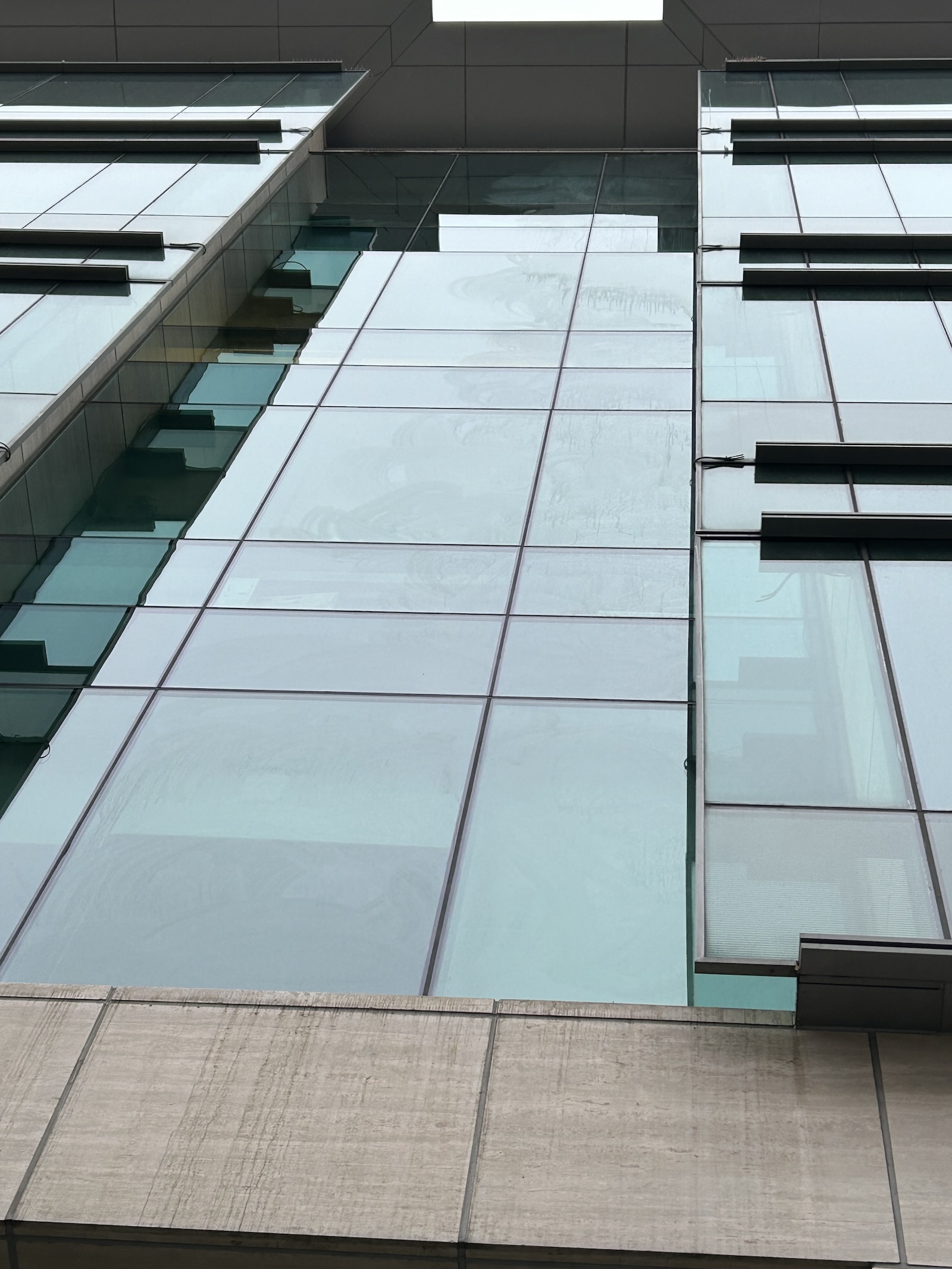
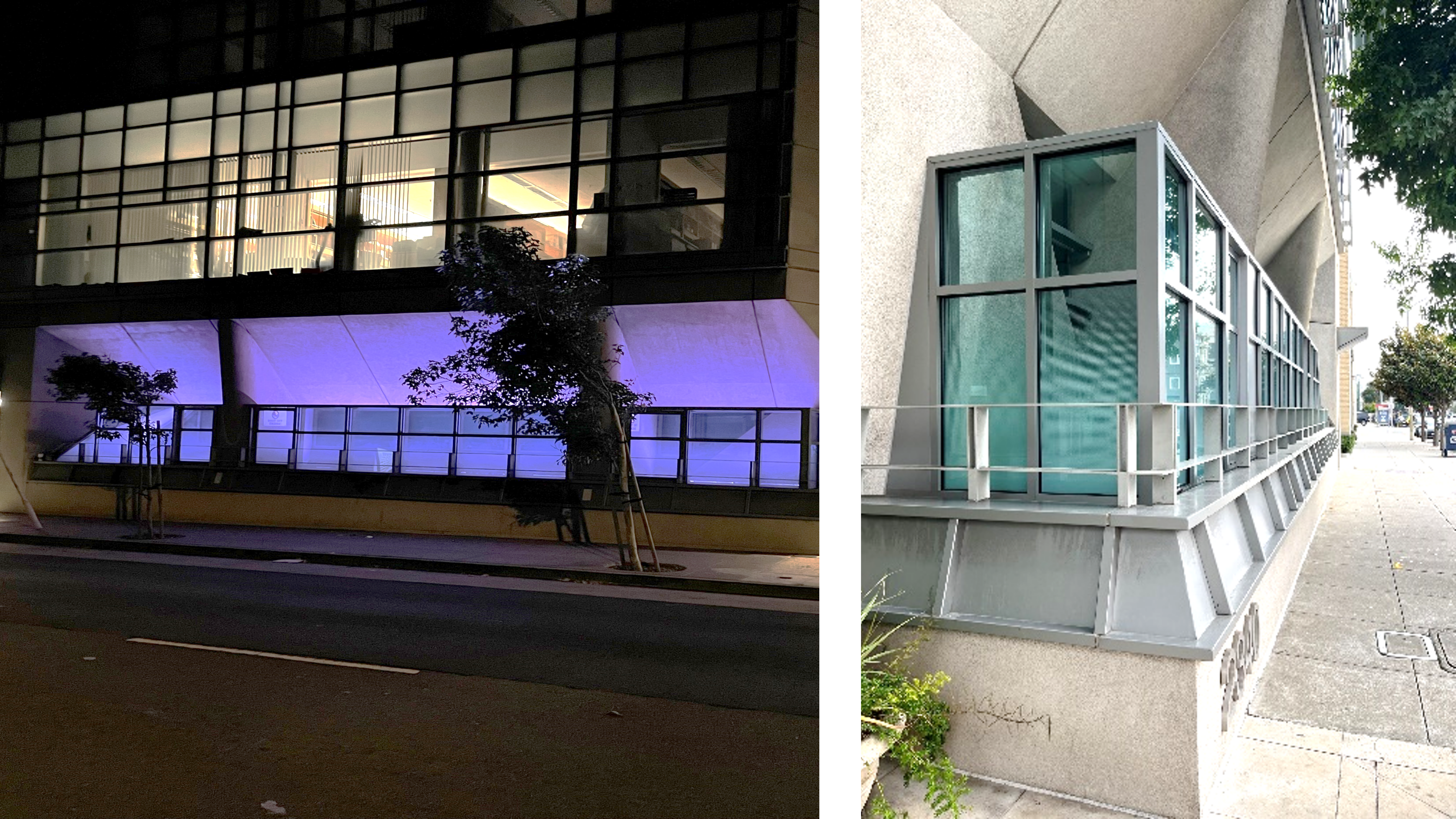
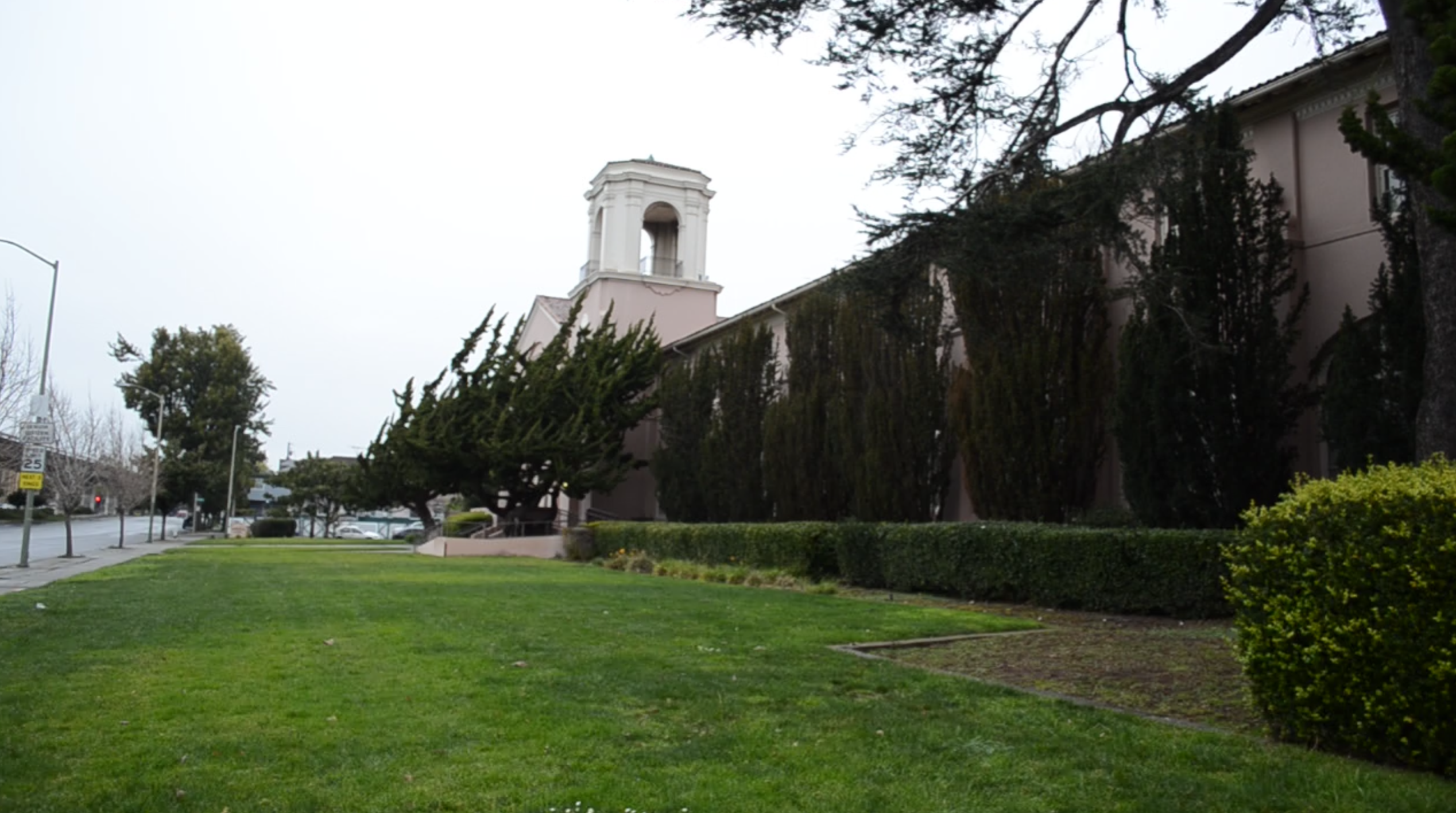 Front of MLK Research Building in Oakland
The MLK Research Building—previously known as Children's Hospital Oakland Research Institute (CHORI)—has come full circle as a space to serve marginalized communities. Now under the management of UCSF Facilities Services, the building remains a vital space for innovation and community impact, ensuring its historic mission lives on.
To understand the significance of the building, one must explore its deep-rooted connections to the Black Panther Party's fight for healthcare access, its transformation into a pioneering research facility, and the ongoing legacy of education and community empowerment.
A Place of Historical Significance
Its history stretches back over a century. It was constructed in 1922, along Martin Luther King Jr. Way and 58th Street, and opened as University High School in 1923.
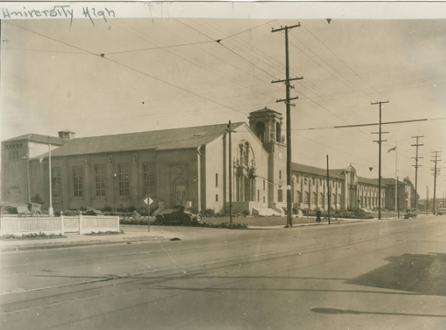 University High School in the 1920s.
(Courtesy: Oakland History Center)
“There was a good relationship between the high school and the University of California, Berkeley. There was a strong connection,” explained David Killilea, who works as a researcher at the MLK building. “If you did well here in high school, you would get access to UC Berkeley as an undergraduate.”
After World War II, the high school-aged population in Oakland saw a dramatic decline, which forced Uni High to shut down.
It reopened in 1946 as Merritt School of Business, a junior college, and eventually evolved into Merritt College. As White residents moved out of North Oakland following World War II, the enrollment of Black students at Merritt increased.
“The school ended up being unique as one of the very first schools to have an African Studies Department and to hire African American guidance counselors. It was a model for the nation,” Killilea said.
Merrit College is most known for its deep roots in the civil rights and Black Power movements. It’s where students Huey Newton and Bobby Seale began discussions on their vision for social justice, which then led to the founding of the Black Panther Party.
The Black Panther Party, which was influential in Oakland during the 1970s, played a crucial role in raising awareness about healthcare disparities, particularly concerning sickle cell disease.
“They provided information about sickle cell disease for the community, as well as access to free sickle cell trait testing for the community of Oakland, right here in the building,” said Ellen Fung, a professor at UCSF.
Children's Hospital Oakland, located less than a mile south of the college, paralleled the Party’s efforts by becoming one of the nation's few comprehensive sickle cell care centers and spearheaded newborn screening for sickle cell disease in the state of California.
Though not technically working together, these groups became a beacon for research and care in the community of Oakland, addressing immediate health needs and representing a broader commitment to justice and equity in healthcare.
The Evolution into a Research Hub
By the late 1990s, as Children’s Hospital Oakland grew in prominence and success, the building became home to CHORI—the hospital’s expanding research division. The building's transformation from a historically significant site to a state-of-the-art research facility allowed for groundbreaking work in various fields, particularly genomics and hematology. In 1999, CHORI opened its doors as a cutting-edge research facility focused on scientific collaboration and community outreach.
Researchers at CHORI played a pivotal role in the 1990s Human Genome Project, contributing to the mapping of the human genome, which has had lasting implications for understanding genetic diseases and disorders.
“A good portion of what we, at least in the early days, knew about the human gene sequences came from this building, from the researchers in this building,” said Killilea.
This work laid the foundation for critical advances in medicine and personalized healthcare, with CHORI becoming a global leader in genomic research.
In addition to this, some of the original work on CRISPR gene-editing tools was conducted in the building.
CRISPR technology, which allows scientists to modify and correct gene errors, is now at the forefront of medical advancements. One of the current research focuses at MLK is using CRISPR to treat sickle cell disease—a condition caused by a single mutation in the hemoglobin gene. Sickle cell disproportionately affects people of color worldwide, making this research not only groundbreaking but also essential for advancing health equity.
Empowering Future Leaders
Beyond its scientific contributions, the MLK building has long been a space dedicated to nurturing future leaders in science.
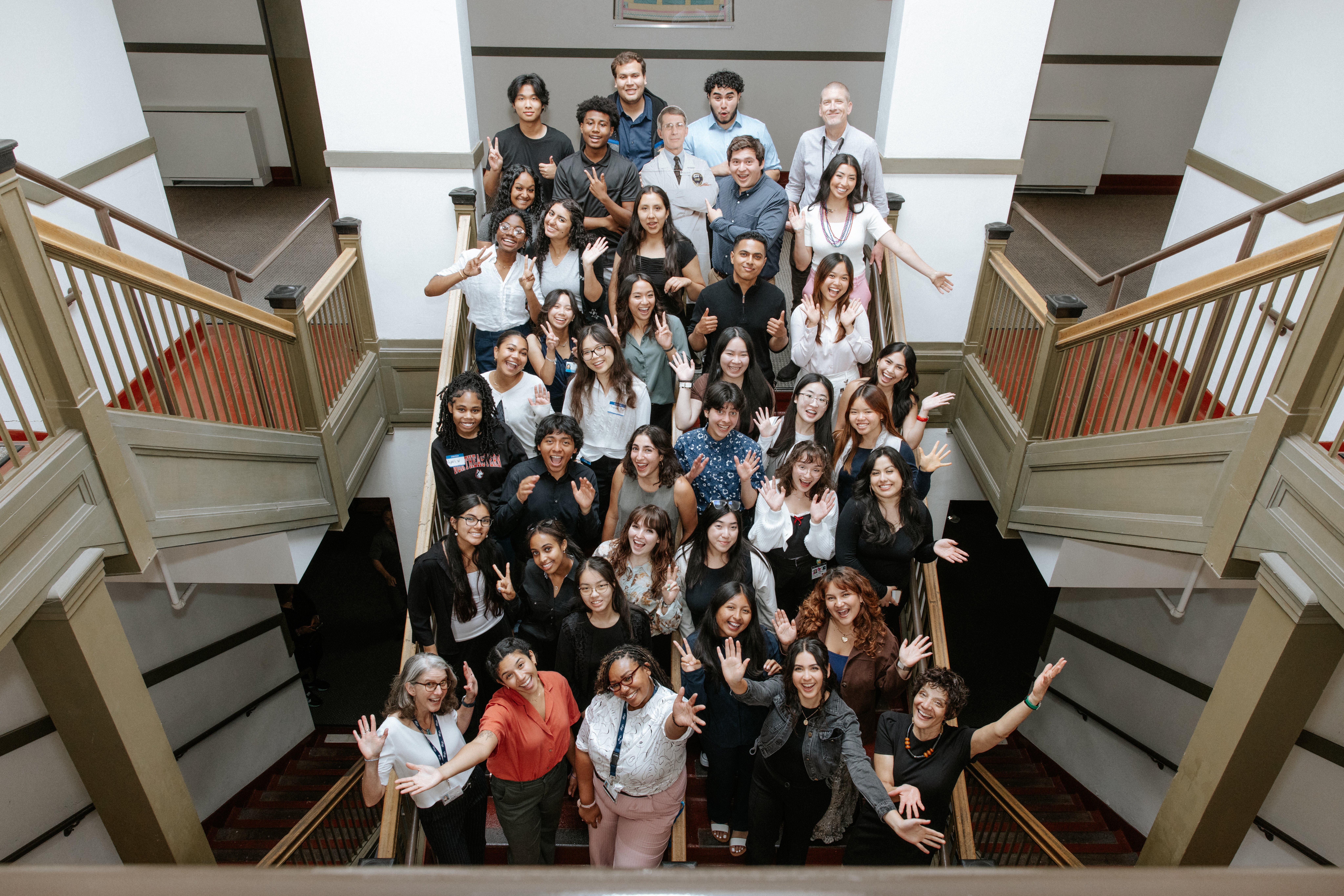 2024 SSRP Research Symposium
(Courtesy: David Killilea)
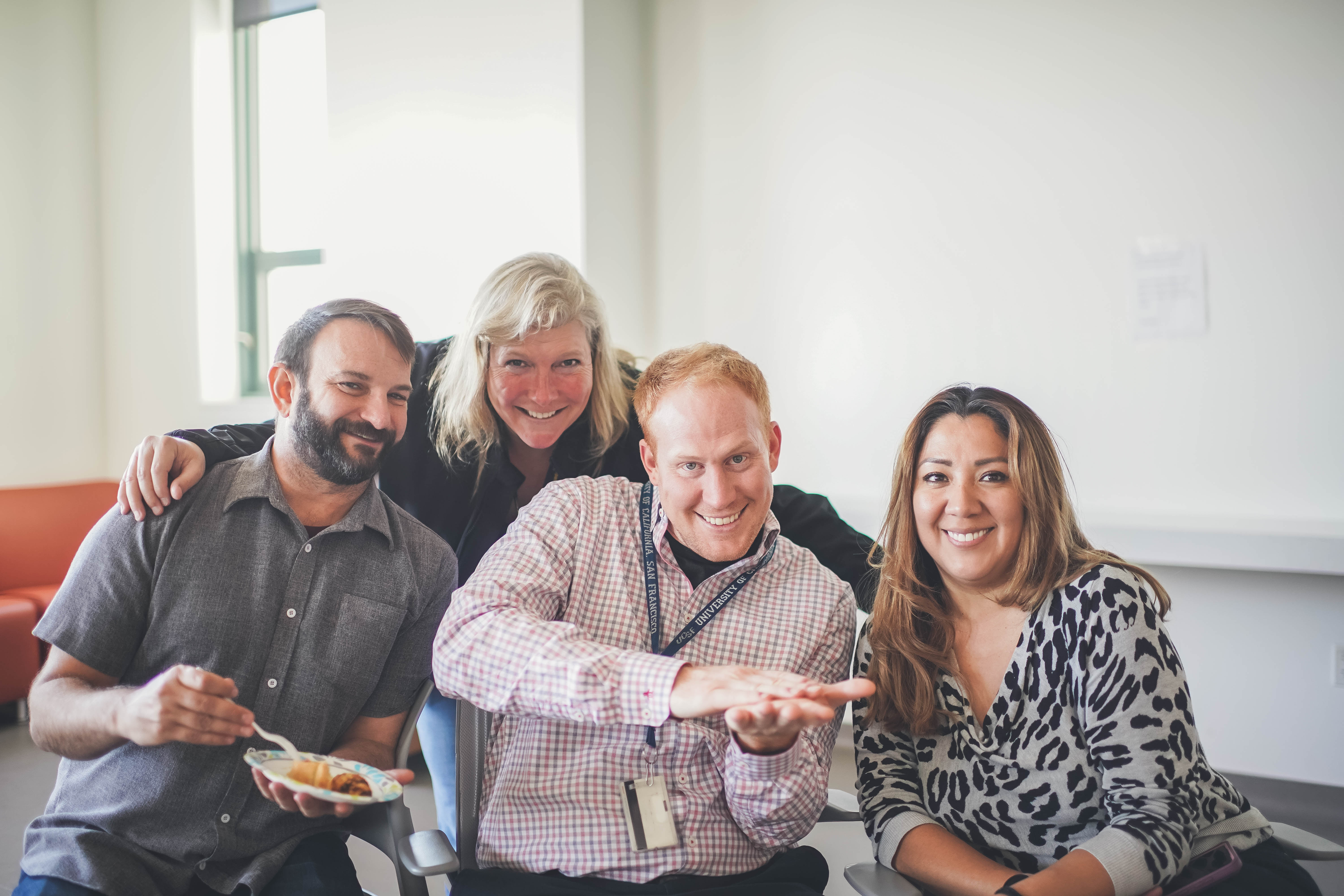
UCSF Department of Pediatrics hosts the Summer Student Research Program, one of the building's key programs.
For more than 40 years, the program has continued to give underrepresented high school and undergraduate students the opportunity to engage in biomedical research with mentorship from leading scientists. The students, many from Oakland and surrounding communities, gain firsthand experience in labs, contributing to projects while developing essential skills for careers in science.
Fung, who also serves as the program’s co-director, highlighted the importance of this initiative, noting that exposing young people to science provides them with the tools to imagine themselves as future scientists, even when they may not have seen such role models in their own communities.
“It’s exciting when students come back to share with us that they’re applying to medical school or pursuing postgraduate STEM education because of the encouragement they received in the program,” Fung said.
The program encourages youth to see science not as an unattainable field but as one that is also accessible, relatable, and necessary for improving the lives of people in their communities.
A Bright Future with UCSF Oversight
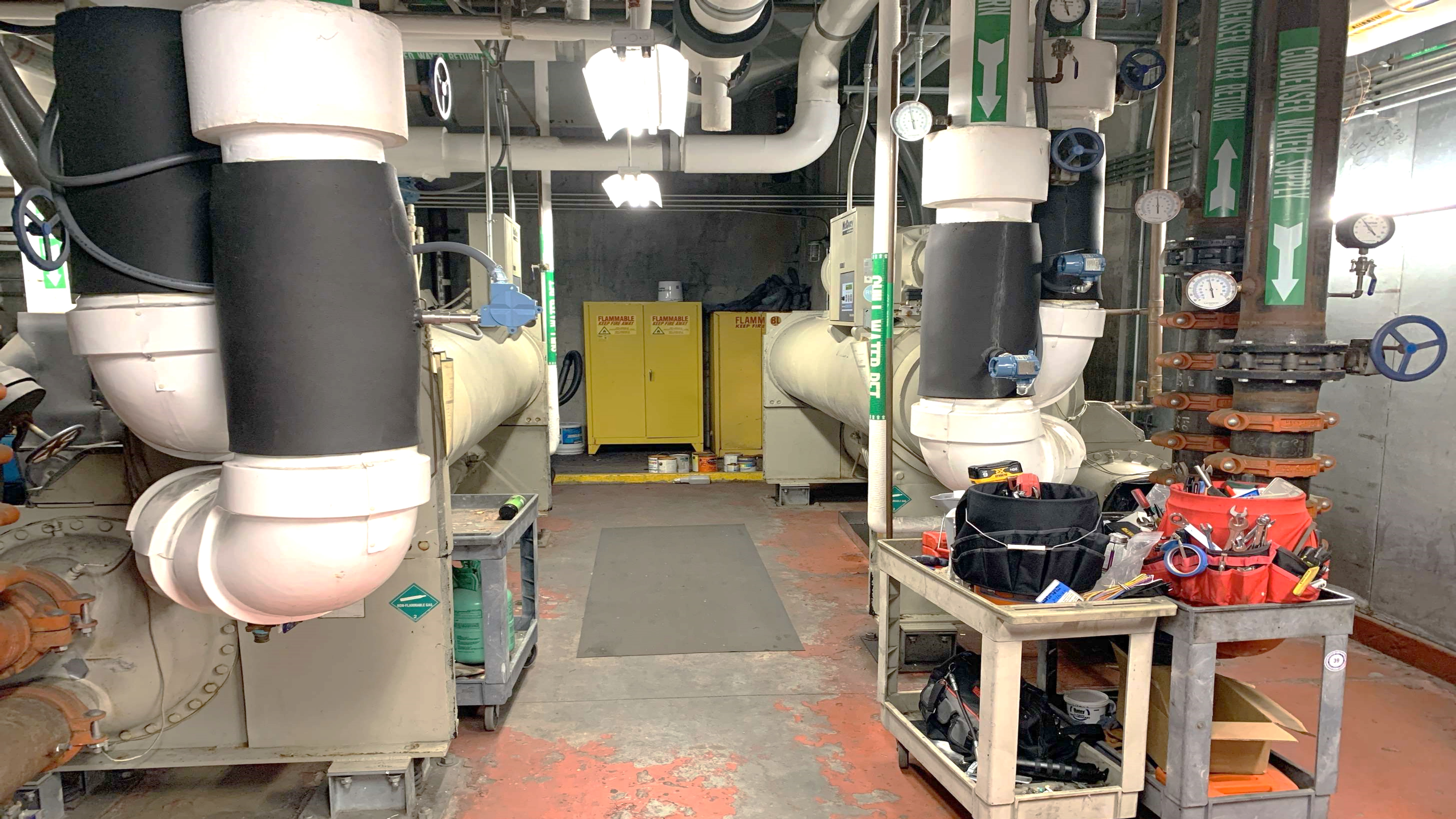
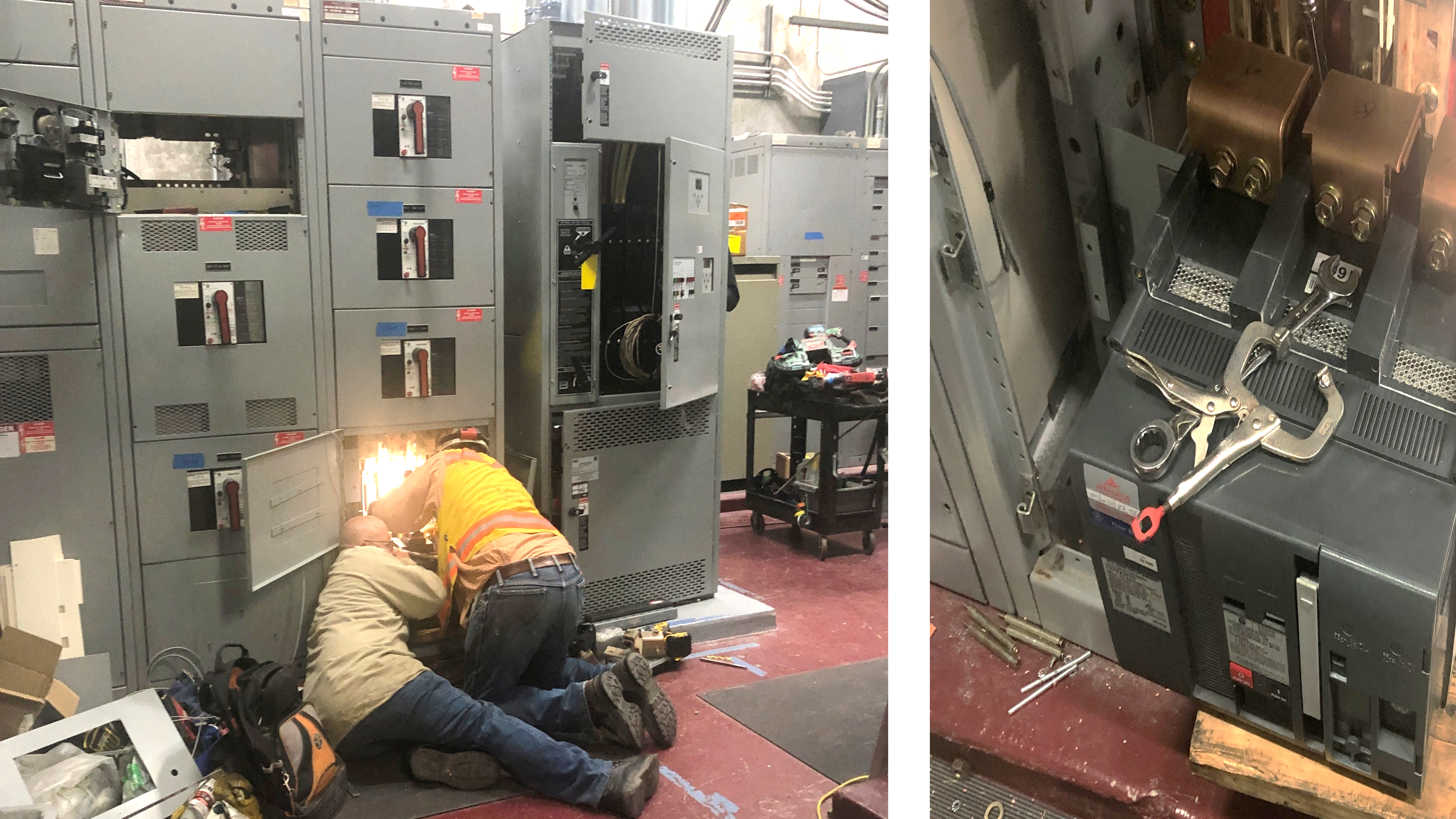
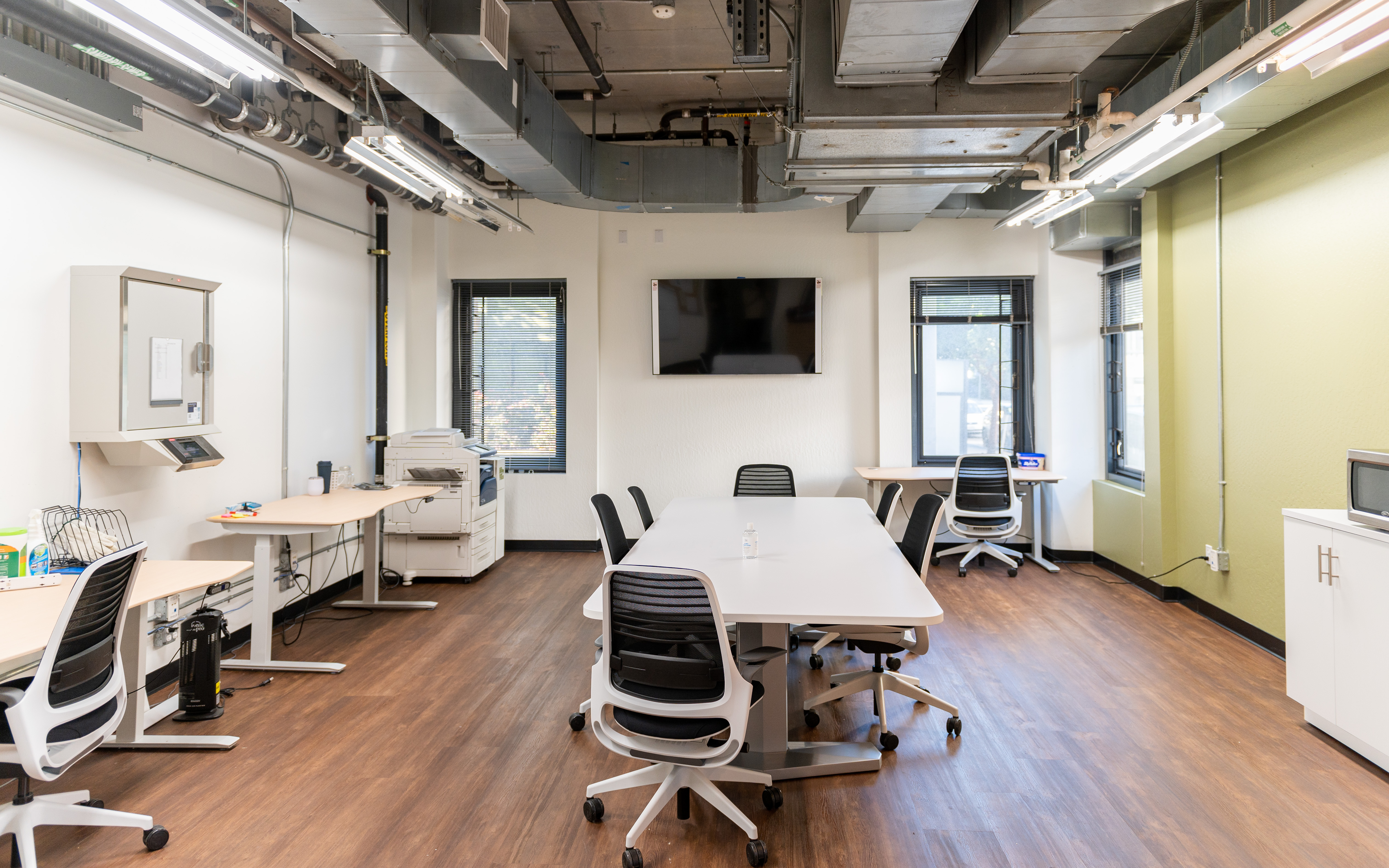
The transition of the building’s oversight to UCSF Facilities Services has ensured that the building remains a hub for cutting-edge research. With the stability and support of UCSF, the facility is undergoing renovations to modernize its labs and expand its capacity for innovation.
“The legacy of innovative research, patient care, and health equity at UCSF Benioff Children’s Hospital – Oakland is deeply rooted in its 100+ year history of serving the community,” shared Erin Gore, Senior Vice Chancellor of UCSF Finance and Administration. “Building on this remarkable foundation at 5700 MLK is a critical step toward advancing our pediatric health care system.”
Researchers continue to focus on areas like genomics, stem cell research, and public health while preserving the building’s unique history and community roots.
“I applaud UCSF Facilities Services for stepping in and trying to maintain our top-notch research facility, while at the same time honoring the national historic nature of the building, and trying to preserve the functional little bits of the building that maybe aren't so necessary anymore in a modern research laboratory, but add character and sort of connect back to the original way the building served our community,” Killilea said.
As Fung put it, the MLK building’s legacy is about being "a nimble research hub of curious investigators," where science, community engagement, and mentorship converge. The building stands not just as a place of research but as a testament to the power of science to uplift communities, especially those historically marginalized in healthcare.
Honoring the Past, Inspiring the Future
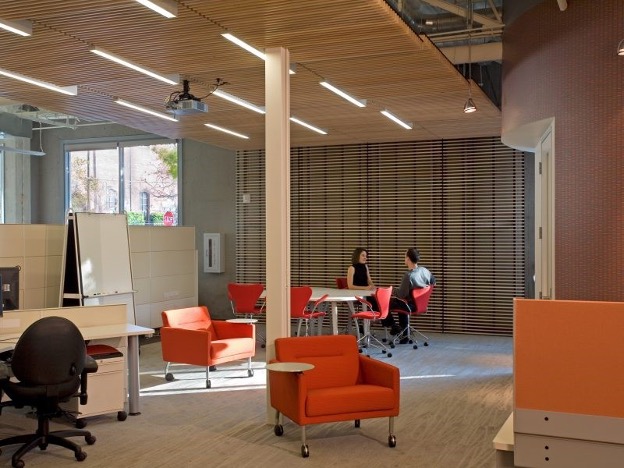
One unique aspect of the building’s transition is its designation on the National Register of Historic Places. While it has seen some renovations to accommodate cutting-edge research, much of its original structure remains intact.
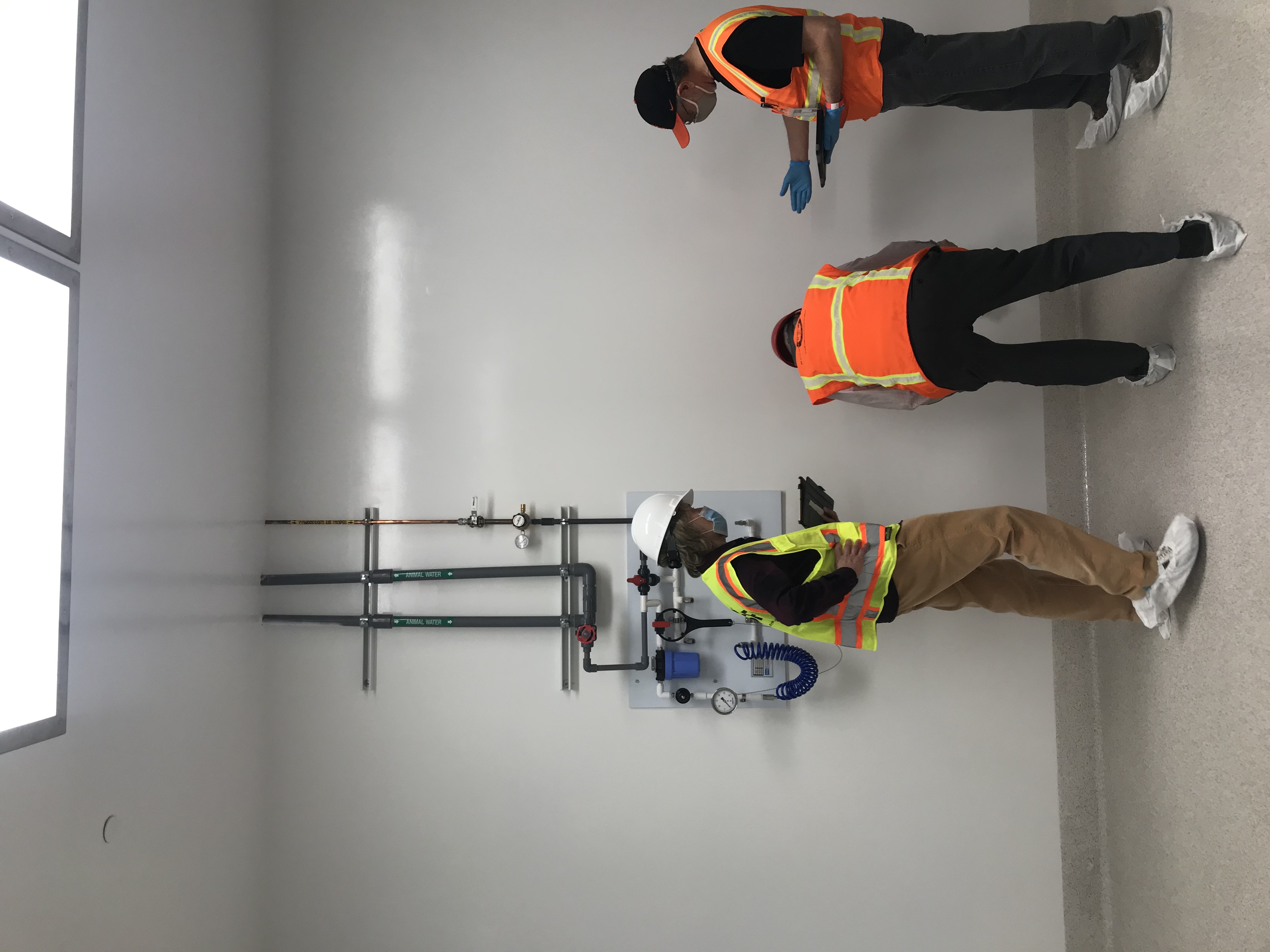
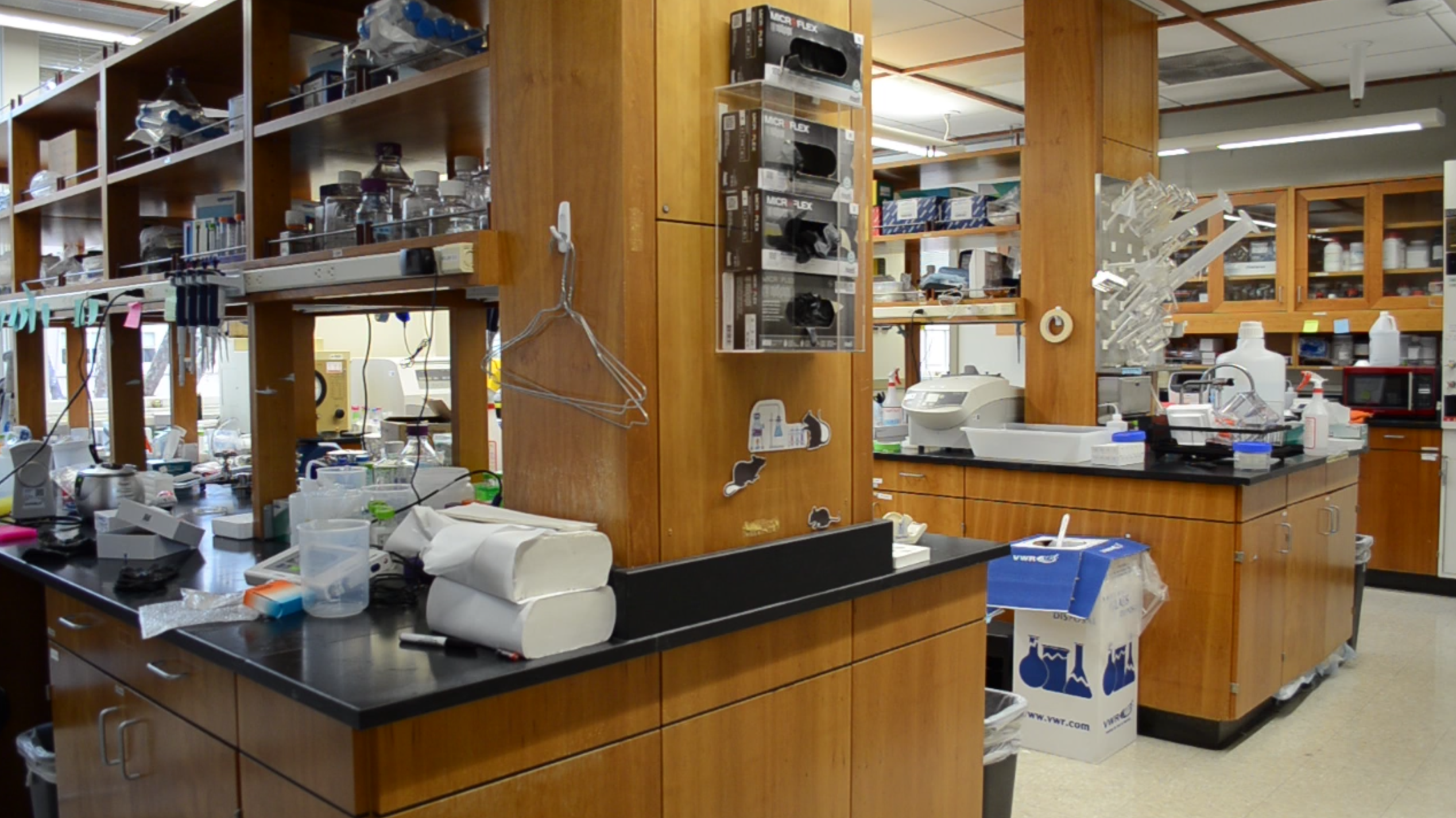 The MLK Research Building has 30 laboratories.
“The building still has the large halls and classrooms that have been converted into laboratories. It has a soul. It still feels like the 100-year-old institution that once served high school and college students. Now, it provides opportunities for today’s youth to explore careers in science and medicine,” shared Killilea, who is also the program manager for UCSF’s Summer Student Research Program.
The legacy of the MLK Research Building is a powerful example of how history, activism, and scientific progress can come together to create lasting change. From its roots in the civil rights movement to its current role in advancing medical research, the building has always been a space dedicated to education, social justice, and community service. Looking ahead, Killilea and Fung said UCSF can continue to honor the building’s past by empowering the next generation of scientists and healthcare professionals, ensuring that the fight for health equity continues.