Original publication date: November 25, 2024.
If you've ever walked through 654 Minnesota, you might have noticed some red and green lights near the ceiling—or how the lighting brightness adjusts on its own! These subtle signals that work in harmony with nature are part of the building’s built-in sustainability features, designed to reduce energy consumption and create a healthier work environment. By paying attention to these indicators, every occupant has the opportunity to actively contribute to UCSF's sustainability efforts.
Green Light, Go! Fresh Air, Energy Savings
When yo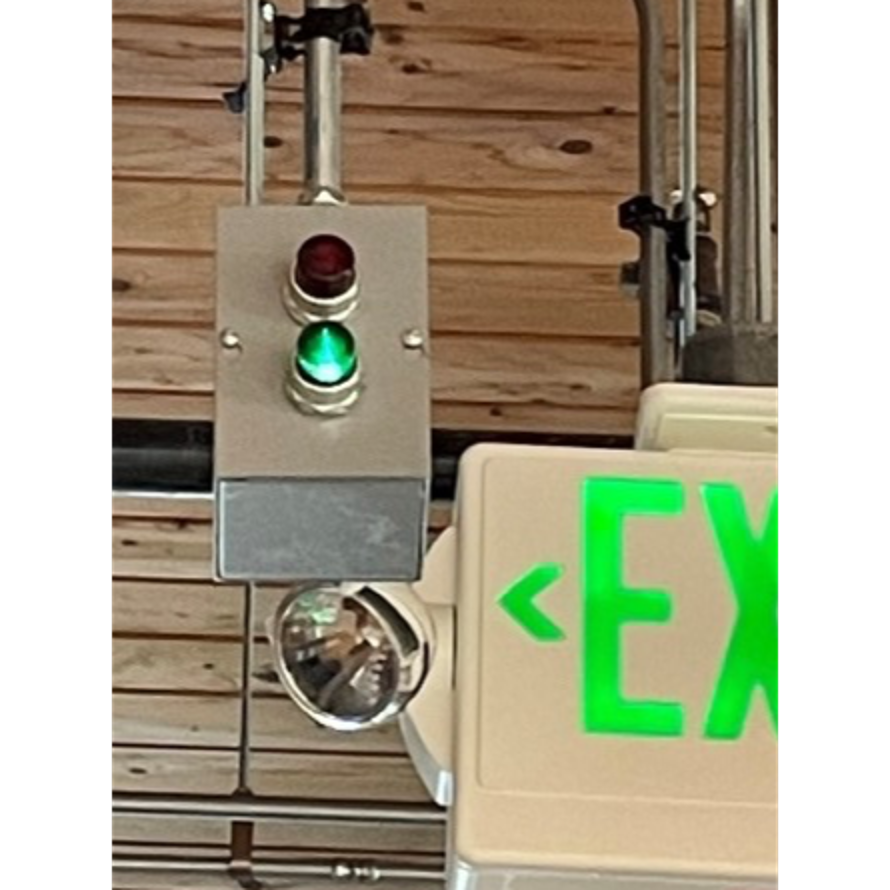 u see a green light on the indicators throughout the building near the aisles or above the exit signs, it's your queue to open the window. These lights indicate that the outdoor temperature is optimal, and by opening the windows, you can breathe in fresh air and help reduce the building's reliance on the air handling system. Opening windows when the green light is on allows the system to automatically reduce the speed of the air handler fans, leading to less energy consumption for heating or cooling while still maintaining the perfect temperature for your comfort. If you’ve opened a window, be sure to close it before you leave or if you notice the indicator light has turned red.
Red Light, Stop! Save Energy by Keeping Windows Shut
When the red light is on, it means the outdoor temperature isn’t ideal for bringing inside. Opening the windows while the red light is on would make the HVAC system work harder, causing excess energy consumption. Keeping the windows closed during these times helps maintain a comfortable indoor environment and avoids unnecessary energy use.
This clever system is a simple yet effective way to let nature do its work while lowering the building’s energy demand.
Harnessing Natural Light and Energy Efficiency 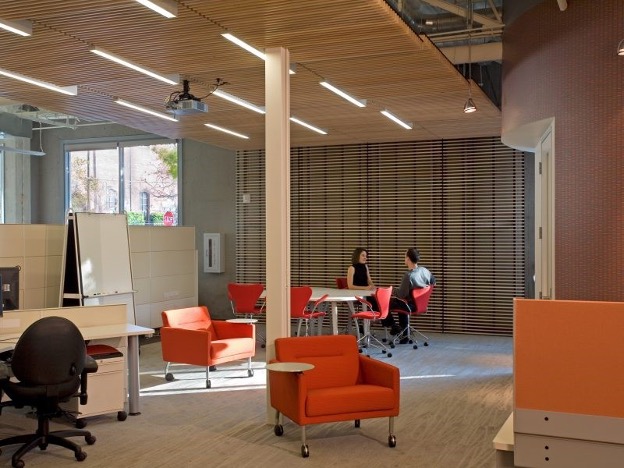
Another sustainability features the building is equipped with is smart lighting, which adjusts indoor lighting based on the amount of natural light coming in. Skylights and large windows allow daylight to brighten the common areas, and the lighting system dims automatically when there is enough sunlight streaming in. This keeps energy use low during business hours and maximizes the use of natural light.
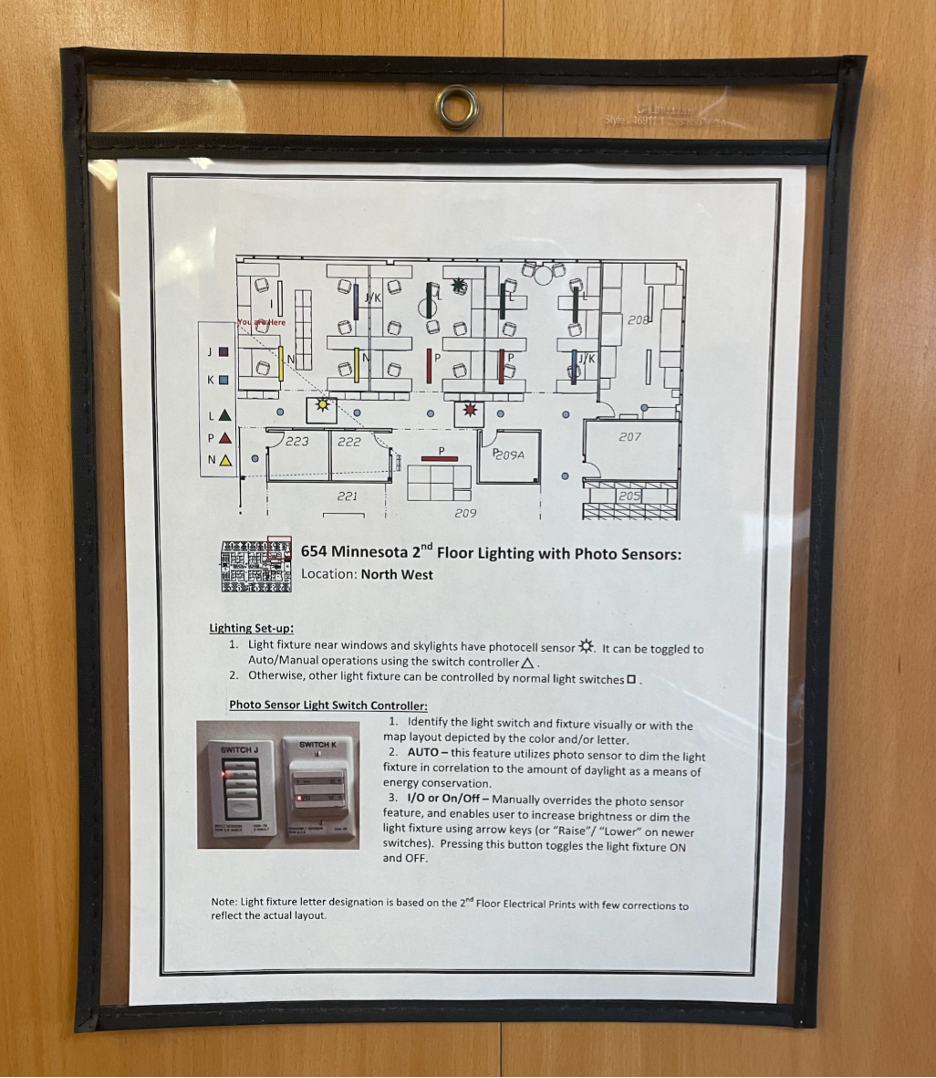
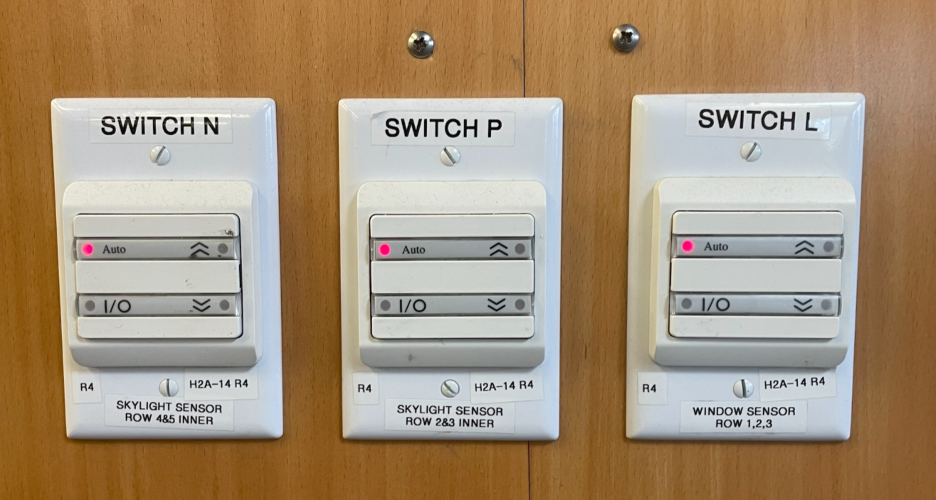
The common spaces are controlled by smart switches and standard wall switches. In private offices and conference rooms, occupancy sensors and manual switches ensure that lights turn off when no one is around. However, it's always good practice to turn off the lights when you leave a room, or if you notice an empty space with the lights still on. For the open office areas, lights will automatically turn off at 8 PM, and lobby lights go off at 10 PM. Still, we encourage everyone to manually switch off lights when they aren’t needed.
A Collective Effort for Energy Savings
Sustainability features were built into 654 Minnesota to support UCSF's energy-saving and decarbonization goals. Next time you're in the building, help out by checking the lights before opening windows and turning off any unnecessary lights. Together, we can save energy without sacrificing comfort.
Tip: Look for signs around the building like the one pictured below that have information on which light switches correspond to each light, and how to use them in unison with the smart lighting features.