UC San Francisco's Office of Sustainability leads a Sustainability Certificate program that recognizes staff members who have committed to making small, impactful changes to make their workplaces, labs and campus events more sustainable.
One of these certifications recognizes Green Event Planners, staff members who are bringing sustainability practices to the UCSF community by selecting eco-friendly options at every level of events, from food and decorations to waste and recycling.
With self-guided checklists, and support from the Office of Sustainability, anyone can learn how to reduce emissions, saving energy, conserve water, and reducing waste at their events.
Meet the UCSF staff members who recently completed their Green Event Planner certification:
Annika Le
Events Assistant, Arts and Events
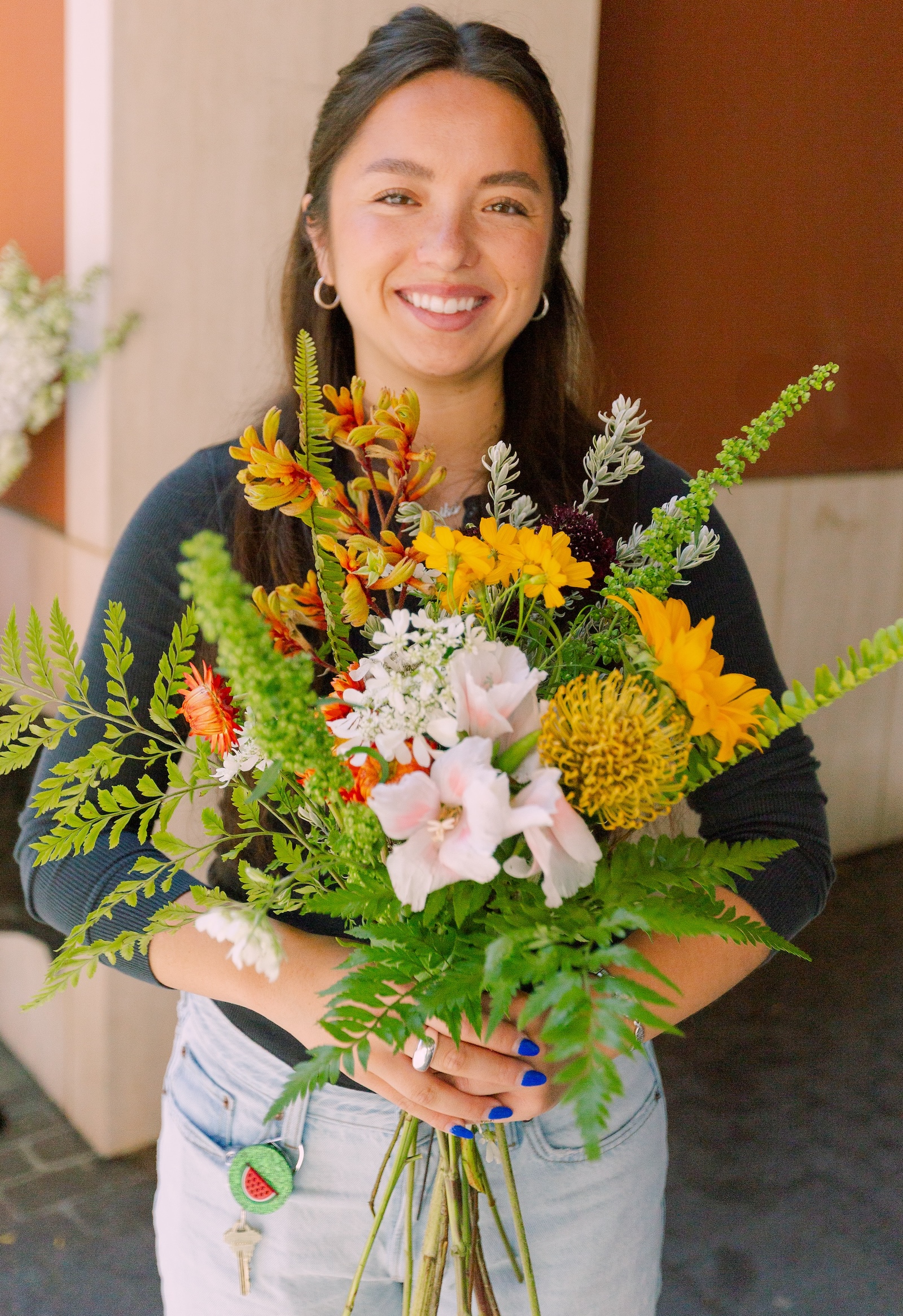
Why did you want to become a certified green event planner?
As someone who plans events for the UCSF community, I think it’s vital that our programming reflect the values of care, responsibility, and forward-thinking that define our team and larger university. Implementing sustainable practices into our event planning enables us to create experiences that are meaningful in the moment and have a positive, lasting impact on both our community and the world around us.
What was the most notable action item that you implemented during the certification process?
We have been very intentional in repurposing materials and supplies for our events as much as we can. Not only does this let us flex our creativity, but it is a sustainable practice that has a lasting impact by reducing our waste as a unit.
Chris Chan
Program Coordinator, Housing Services
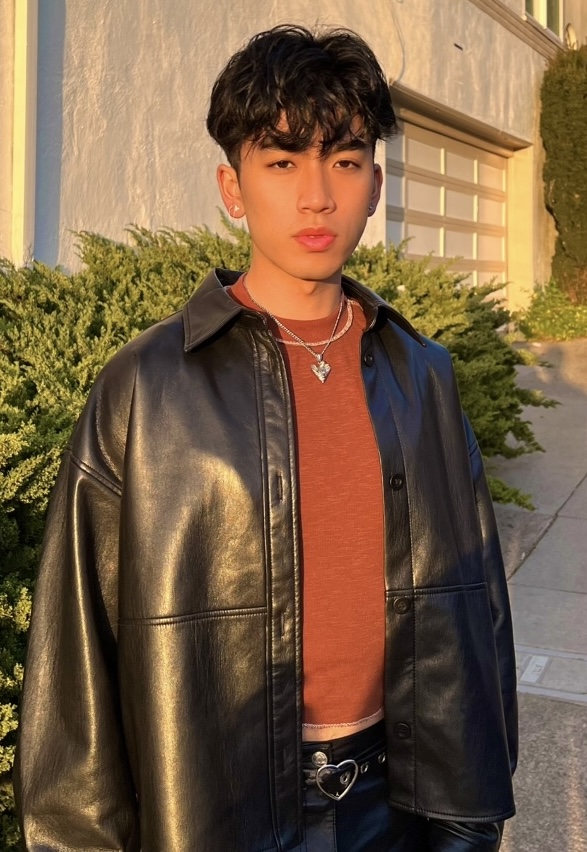
Why did you want to become a certified green event planner?
I wanted to become a green event planner because I’ve always been passionate about both creativity and sustainability. I love the energy and joy that events bring to people’s lives, but I also saw how much waste and environmental impact traditional events can cause. Becoming a green event planner allowed me to combine my organizational skills with my values — creating memorable experiences while minimizing harm to the planet. It’s rewarding to know that every event I plan contributes to a more responsible and eco-conscious future.
What was the most notable action item that you implemented during the certification process?
To promote sustainability and reduce single-use plastic waste, I created a raffle program that encouraged residents to use reusable water bottles at events. Participants were invited to show their reusable bottles at our event table, where they were entered into a raffle for fun prizes like housing swag and eco-friendly gear. This initiative not only sparked conversations about sustainability but also helped build a culture of environmental responsibility within the community — all while keeping things fun and engaging.
Jamie DeAraujo
Manager, Arts and Events
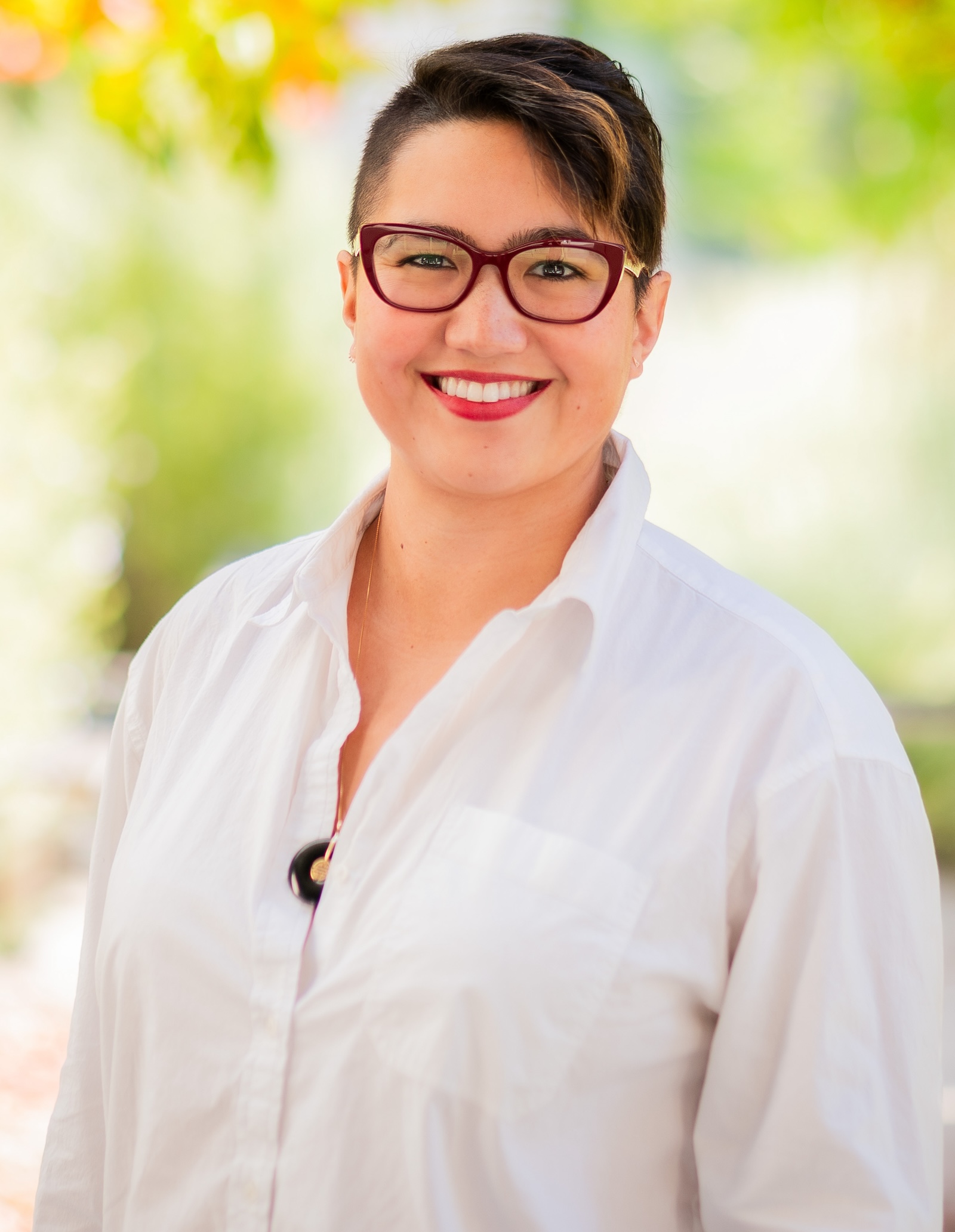
Why did you wanted to become a certified green event planner?
There is often so much waste at the end of any event; however, by taking this certification it was a reminder that during the front-end planning process I should be cognizant of my supplies and food management. What materials can we re-use from a previous event? Or is there a compostable option for this supply? This helps with my financial savings while reducing my event waste.
What was the most notable action item that you implemented during the certification process?
Front end planning of what can be reused from another event or purchasing compostable options for food service.
Amy Fazio
Events Assistant, Arts and Events
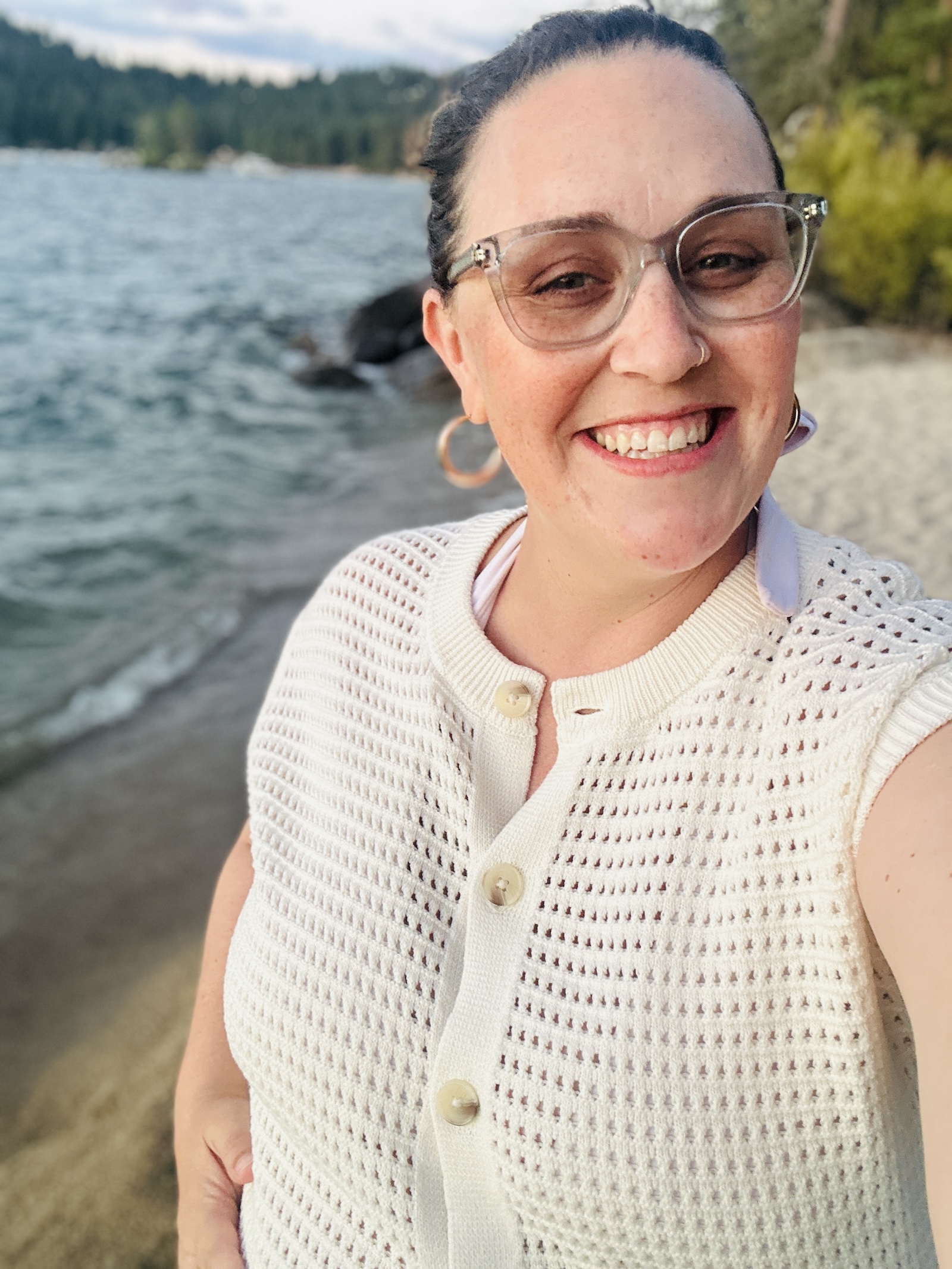
Why did you want to become a certified green event planner?
I wanted to get certified because I make it a point to be sustainable in most areas of my life. In my work, the need to be mindful of waste and remaining as “green” as possible is greater because the impact of each event is wider than at home. I am mindful of the waste impact an event will have, especially when we’re doing crafting projects.
What was the most notable action item that you implemented during the certification process?
I use the waste hierarchy “Reduce, Reuse, Recycle” as a personal mantra during event planning, especially during supply ordering. I try to use up all the current materials we have in our storage before ordering more. I consider how we can use natural materials, like we did in our Botanical Clay Creations event. This event was my most green, using trimmed greenery from the campus, large lumps of clay with minimal packaging, and then found items, like wine bottles for rolling, to create the clay pieces.