Growing up in Minnesota, Katie Lichter always had a deep appreciation for the environment and the importance of land management and preservation, but it wasn’t until she started working in a global health setting that she saw the impact of climate change on patients and communities around the globe.
Lichter, MD, MPH, is a resident physician in the Department of Radiation Oncology and a UC San Francisco Climate Health Fellow. Before attending medical school, she spent two years living in Central America and East Africa working for an international health organization and startup company.
“Ultimately, I chose to train at UCSF in radiation oncology because of the university’s commitment to holistic patient care,” she said. Attending UCSF has an additional benefit - the campus is surrounded by a wonderful natural environment.
In her work around the globe, Lichter witnessed first-hand the health implications of increasing temperatures and drought on farmers. “They were suffering from heat stroke, renal disease, exposure to aflatoxin, and social displacement.”
When she moved to California to begin her medical training, Lichter realized she couldn’t escape the impacts of climate change, despite living in one of the world’s wealthiest places. “I saw how local communities were affected by wildfires, heat waves, and a global pandemic. During this time I became very aware of resource consumption, especially in-hospital waste production.”
It’s estimated that the U.S. health care sector accounts for approximately 10 percent of the country’s greenhouse gas emissions. It’s one reason Lichter became interested in climate-smart health care. “This approach bridges the divide between adaptation and mitigation to prioritize both low-carbon and resiliency strategies. Basically, how can we reduce the environmental impact and carbon footprint of our practices today while prioritizing building resiliency within the community and having appropriate emergency preparedness plans in place?”
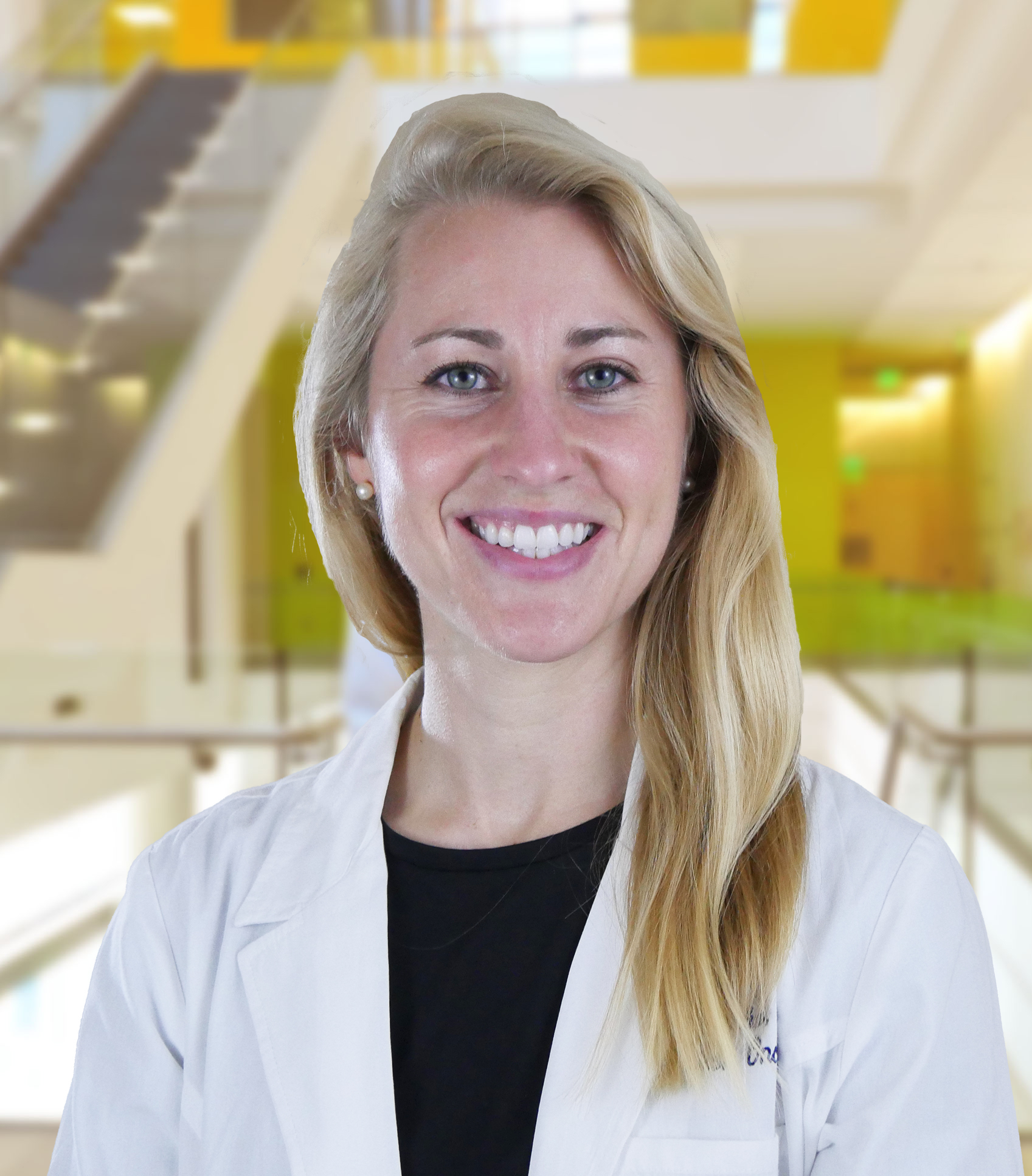 Katie Lichter
Lichter said the key steps are in the four R’s – Reduce, Reuse, Recycle, Rethink - and applying these to the field of radiation oncology. “Ultimately, framing this in a manner that can be replicated in any specialty.”
She began critically looking at her field of brachytherapy, a type of internal radiation used to destroy cancer cells and shrink tumors, to determine how to reduce its carbon footprint. “Today, OR procedures generate an estimated 30 percent of hospital waste with a significant proportion of this going unused, or simply inappropriately discarded.”
A recent UCSF study found the total annual unused surgical supplies within the Neurosurgery Department accounted for 13.1 percent of total surgical supply costs. These discarded, unused supplies had a value of $2.9 million.
“Significant opportunity exists for departments, and other surgical specialties, to perform procedural waste audits to highlight areas of excess waste and implement mitigation efforts,” Lichter said. “Recently, I collaborated with several Stanford residents to design a six-minute waste audit toolkit that can be used by any specialty to track procedural waste, analyze clinical processes, and reduce both financial and environmental costs.”
UCSF learners can help reduce waste by setting sustainability as a priority, she said. “Look for ways to not only transition to more sustainable practices at home such as reducing meat consumption, composting, and biking or walking to work, but also expand this mindset to think about similar sustainability and mitigation practices for your place of study or work.”
Lichter believes UCSF students have a large role to play in introducing new initiatives in climate health at the university. “Many of the initiatives in climate health at UCSF have been spearheaded by students. Students have powerful, empowering, voices. Taking action today can help protect the health of our future patients, communities, and families.”