Many caregivers don’t have a safe space to share challenges or concerns with providing care. They forge along balancing careers and caretaking responsibilities, often setting aside their own well-being.
Picking up medications, feeding, driving to doctor appointments, cleaning, and providing company are just a few of the responsibilities on the long list of caregivers. Of course, most people wouldn’t hesitate when it comes to caring for their older loved ones, they feel it’s a natural duty, but without support and comradery, even the most eager caretakers start to feel alone and isolated.
There are various types of caregivers, each with unique sets of challenges and needs. Some people care for aging parents; sandwich caregivers care for both children and aging parents; and others care for spouses or adult children with special needs.
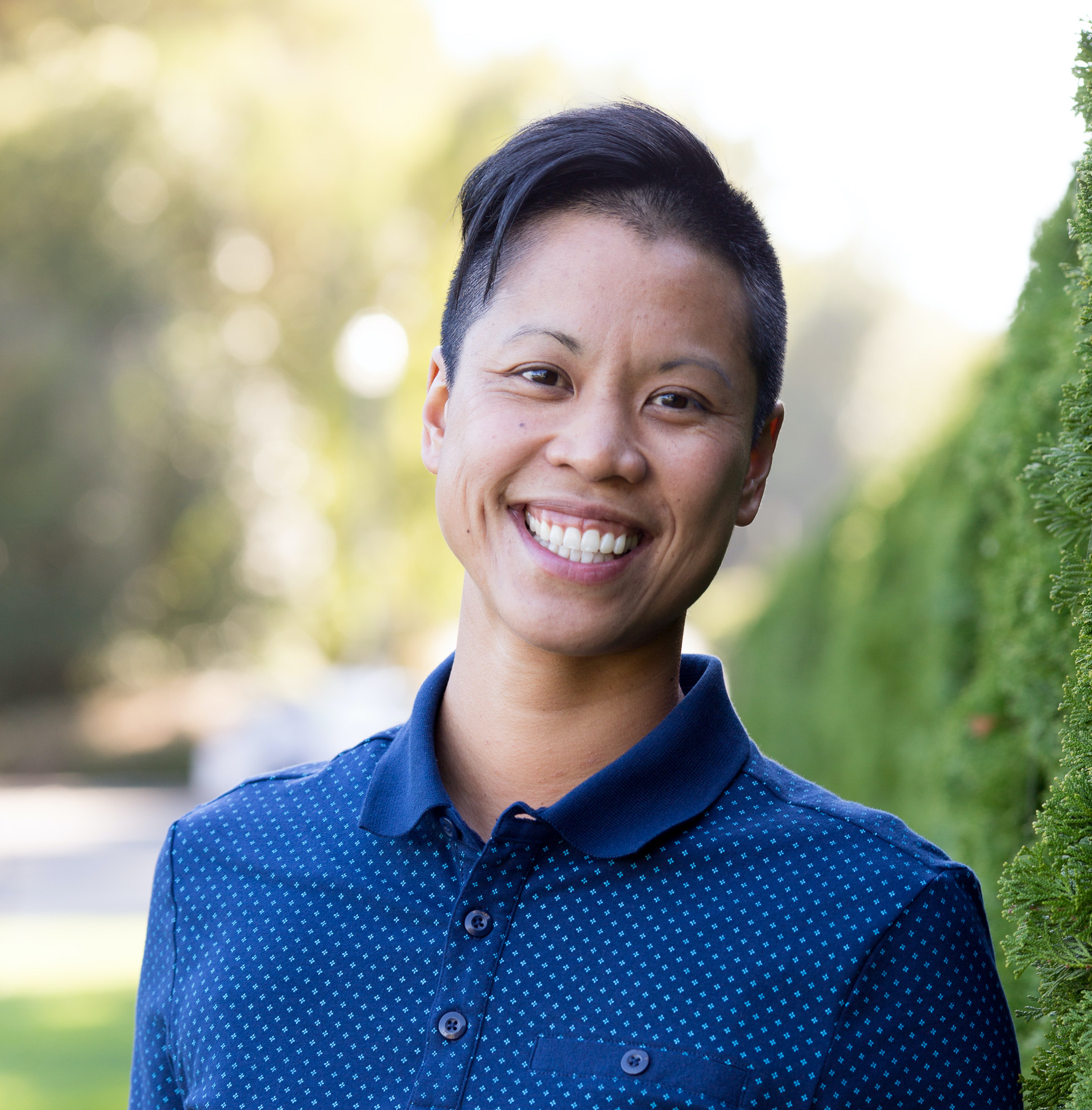 Jenn Chan, facilitates Caregiver of Older Loved Ones support group.
UCSF Family Services received a Community Wellbeing Grant to pilot support groups for caregivers of older loved ones. “Caregiving responsibilities can take a significant emotional toll, often leading to burnout, stress, decreased focus and productivity. By providing employees with dedicated support groups, UCSF demonstrated a commitment to their well-being, creating safe spaces for employees to share challenges and exchange resources,” shares Nathalie Larsen, director of UCSF Family Services.
The virtual support group holds space for participants to share their experiences, ask questions, and be heard and seen. It lets them know they’re not alone in their experience, thoughts, and actions. “The group is a space with other caregivers that have gone through it. It doesn't have to be similar; they get it. They’ve felt similar frustrations and emotions. And it's a room of acceptance and a lot of nodding,” Jenn Chan, the support group facilitator describes one of the pilot sessions.
“The group is so kind and caring. They asked questions, offered advice, and above all, they all listened with an open heart. Whenever someone would describe a situation, even if we weren't living the exact same one, we could empathize with how the other person was feeling because chances are, we were feeling the same way about our experience. I am so grateful for this support group.," Amy Fazio, group participant.
Filial Piety Doesn't Mean You Have to Do It Alone
Chan is intimately familiar with caring for a loved one and with the personal well-being challenges that arise. In her mid-twenties, she became a caregiver to her grandmother, and after leaving her job, she focused on it full-time.
“It's expected that you take care of your elders. It's called a filial piety. It's a term in the Chinese culture where you just take care of your elders, and you respect them,” Chan.
Even though she shared the responsibility with her brother, and other family was always near, human experiences are deeply personal. Feeling the need for a community, Chan began attending caregiver support groups. “That was when I experienced the power of community. The power of being with other caregivers who wanted to talk about their story, talk about their challenges and just talk, like emotionally connect. I was raised in a Chinese culture, so we don't really talk about emotions, at least within my family unit,” she shares. The profound experience of being a caretaker and the journey to finding a support group led Chan to become a certified caregiving consultant to help others. Caregivers often feel guilt, frustration, and isolation as they face challenges in managing time, learning new skills, and navigating the complexities of the healthcare system. Support groups provide a non-judgmental space to share these feelings and experiences.
"Participating in a support group has been very validating. I appreciate the opportunity to see that others are encountering similar challenges caring for their aging parents, and how they are navigating those challenges. It's also been a great forum for sharing resources for elder care," Amy Beck, support group participant.
With this pilot program, UCSF is on the right track when it comes to supporting working caregivers. Employees who work hard to advance the mission need a safe space to connect and share. Until such a program exists all year round, each one of us can help by being kind and attentive to our colleagues, by continuing to speak about the challenges faced by working caregivers, and by sharing employee resources that are available.
The current groups are at capacity, but we encourage everyone interested in participating to email myfamily@ucsf.edu.